Blood Moon: Crafting Unforgettable Horror and Halloween Designs
When the night sky turns a deep, ominous crimson, you know something powerful is at play. That same unsettling energy is captured in Blood Moon, a display font that commands attention and sets an immediate, chilling tone. For designers working on projects that demand a spooky, atmospheric presence, this typeface offers a distinct personality that is difficult to ignore.
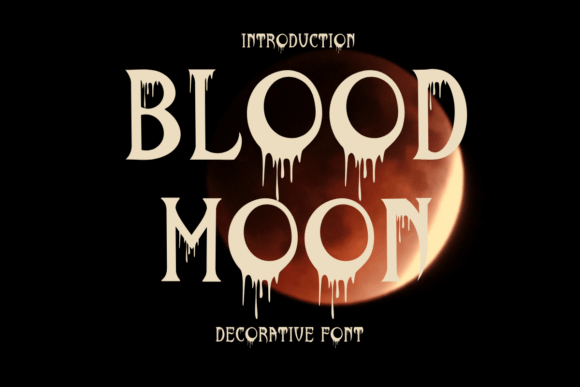
As a premium font asset, Blood Moon is designed to evoke a sense of mystery and foreboding. It is not just a collection of letters; it is a tool for visual storytelling. The letterforms often feature sharp, irregular edges or dripping, organic textures that mimic the eerie aesthetic of classic horror films and Halloween folklore. This makes it an ideal choice when you need to create an instant emotional reaction from your audience.
The Anatomy of a Spooky Display Typeface
Understanding the design elements of Blood Moon helps in utilizing it effectively. This typeface typically falls into the category of decorative display fonts, meaning it is best suited for headlines, logos, and short bursts of text rather than long paragraphs.
- Visual Weight: It carries a heavy visual presence, making it perfect for poster design and social media graphics where you need to stop the scroll.
- Texture and Detail: Look closely at the edges. Often, these fonts incorporate distressed textures that give your work an authentic, aged look without needing extra filters.
- Scalability: Because it is a display font, it shines at large sizes. When scaled down too much, the intricate details that make it spooky might get lost, so focus on using it for headers.
Transforming Halloween and Horror Projects
The primary use case for a font like this is seasonal or thematic design. If you are organizing a Halloween event, designing a haunted house flyer, or creating merchandise for the spooky season, Blood Moon acts as a visual anchor. It immediately communicates the theme of your project before the viewer even reads the words.
Consider using this typeface for:
- Event Invitations: Set the mood for a costume party or a scary movie marathon.
- Book Covers: Perfect for horror novels, thriller genres, or dark fantasy anthologies.
- Apparel Design: T-shirts and hoodies with horror themes often rely on bold typography to make an impact.
Strategic Font Pairing for Balance
One of the challenges with highly stylized fonts is readability. To maintain a professional look, pairing Blood Moon with a simpler typeface is essential. You want the spooky display font to do the heavy lifting for the headline, while a clean sans serif or serif font handles the body text.
For example, if you are designing a web page, use Blood Moon for the main H1 title. Then, pair it with a modern, geometric sans serif font for the navigation menu and paragraph text. This creates a visual hierarchy that guides the reader's eye and ensures your message is understood clearly, even if the style is dramatic.
Brand Identity Beyond the Season
While heavily associated with October, this font has applications in year-round branding for specific niches. If your brand identity revolves around escape rooms, heavy metal music, alternative fashion, or even specific sub-genres of gaming, a font with this character can become a core part of your visual identity.
It signals to your audience that your brand is edgy, daring, and unafraid to explore darker themes. Using it consistently across your packaging design and digital products helps build recognition and reinforces your unique aesthetic.
Practical Tips for Commercial Usage
Before you incorporate Blood Moon into a client project or a product for sale, always check the licensing terms. Most font downloads come with specific guidelines regarding commercial use. Ensure that the license covers your intended application, whether it is for a physical product like a poster or a digital asset like a social media template.
Additionally, test the font across different mediums. A design that looks stunning on a computer screen might look different when printed on textured paper. Doing a small test run ensures that the "creepy" details remain crisp and effective in the final output. By treating typography as a key design asset, you elevate the quality of your work and deliver a more polished final product to your clients.